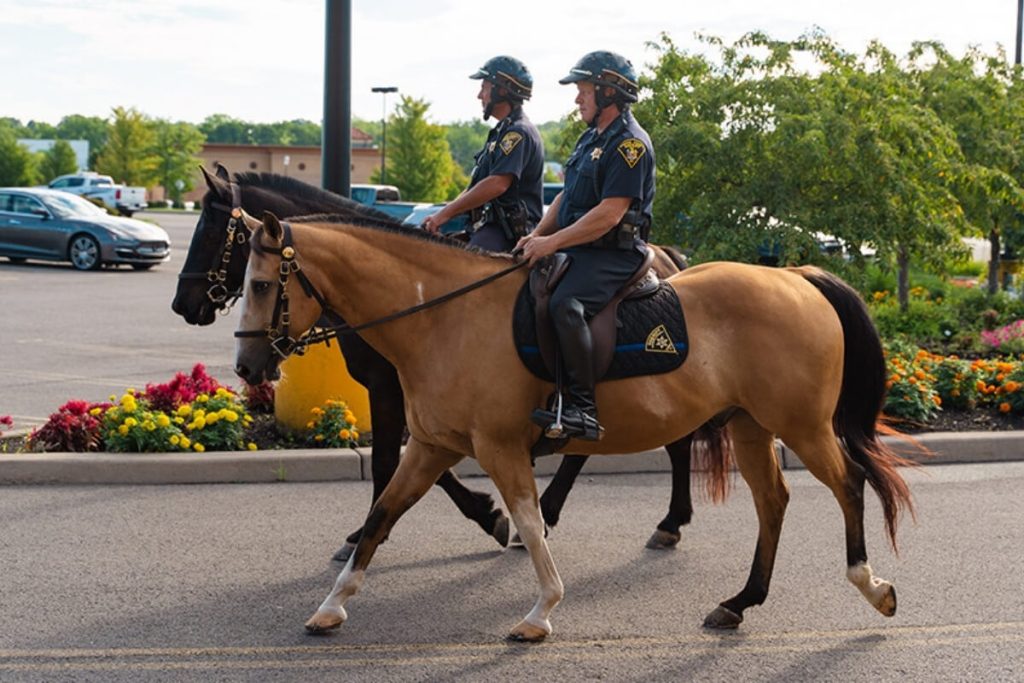
Mounted patrol units remain a highly visible and strategic tool used by law enforcement agencies to maintain order during large gatherings, demonstrations, and high-risk events. However, their presence also introduces unique risks—especially when a mounted officer’s actions lead to injuries, rights violations, or public outcry. These incidents increasingly find their way into civil courtrooms, where accurate interpretation of law enforcement behavior is crucial. That’s where Expert Witnesses in Mounted Patrol come into play.
Legal Importance of Reviewing Mounted Incidents
Mounted patrols operate differently from traditional foot or vehicle-based officers. Their use of horses introduces physical force elements, visibility advantages, and crowd influence techniques that must adhere to strict procedural and safety standards. When someone is hurt by a horse, trampled during a protest, or confronted by an officer using a mounted unit inappropriately, the legal system requires clear answers.
Expert witnesses can dissect the tactical decisions made during these situations and offer evaluations based on training protocols, use-of-force guidelines, and departmental policy. This analysis is critical when determining whether actions taken by the mounted unit were necessary, proportional, and in line with law enforcement standards.
What Makes Mounted Patrol Cases Unique
Mounted officers are not just trained riders—they are law enforcement professionals equipped with unique crowd control responsibilities. Their actions often happen in fast-moving, emotionally charged settings such as protests, parades, or public unrest. Any deviation from protocol, such as entering a dense crowd too aggressively or failing to issue warnings before movement, can result in serious legal consequences.
Unlike traditional force cases, mounted patrol incidents introduce additional complexity:
- The use of an animal as part of force application
- Environmental conditions affecting crowd movement and officer control
- Dual responsibilities of managing the horse and enforcing the law
- Specialized training requirements that vary across departments
Why Expert Witnesses Matter
In litigation, an expert witness doesn’t just describe what happened—they explain whether it was justified. They assess reports, video evidence, officer conduct, and injury records, then produce independent evaluations to support or challenge a legal claim. This includes:
- Determining whether mounted officers were properly trained
- Assessing compliance with policy regarding crowd control
- Evaluating safety procedures involving horse deployment
- Analyzing command decisions in fast-evolving incidents
A qualified expert in mounted patrol can bridge the gap between law enforcement practice and legal standards, offering attorneys and courts clear, objective insight.
Strengthening Legal Claims Through Expert Testimony
Attorneys representing victims or defending agencies need solid grounding when presenting complex mounted patrol cases. Expert witnesses provide:
- Written reports based on use-of-force policies
- Scene reconstruction and timeline evaluations
- Terminology translation for judge and jury understanding
- Deposition and in-court testimony as needed
This role not only clarifies law enforcement action but also helps ensure justice is served through fact-based evaluations.
Why Mounted Patrol Oversight is Evolving
Mounted units remain an important asset in law enforcement, but their involvement in litigation is growing. Expert witness evaluation is no longer reserved for extreme cases—it’s becoming standard practice in any legal claim involving horses, crowd dynamics, and police presence. With the right expert, attorneys can better understand what went wrong, what should have happened, and how to make it right in court.